Animal Sex Extreme Bestiality -mistress Beast- Mbs Pms Sm Se Jun 2026
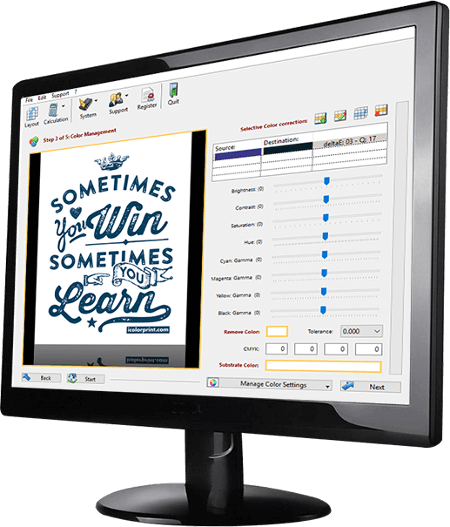
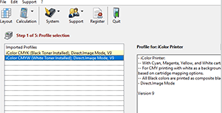
DTF Pro™ has developed a series of software packages to enhance your IColor printing experience. The DTF Pro™ TransferRIP and ProRIP and ProRIP Essentials packages make it simple to produce spot color overprint and underprint in one pass. The Absolute White RIP helps you use an Absolute White Toner Cartridge in a converted CMYK printer, and create 2 pass prints with color and white. The DTF Pro™ SmartCUT suite allows your A4/Letter sized printer to produce tabloid or larger sized transfers! Use one or more with the DTF Pro™ 500, 600 and 800 series of transfer printers.
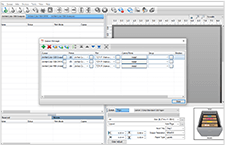
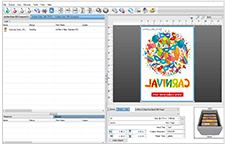
Use the DTF Pro™ ProRIP software to print white as an underprint or overprint in one pass.
This professional version is designed for higher volume printing with an all new interface. Design files can be printed directly from your favorite graphics program, as well as imported directly into DTF Pro™ ProRIP. Animal Sex Extreme Bestiality -Mistress Beast- Mbs PMS SM se
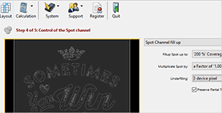
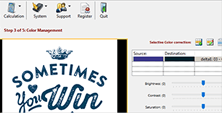
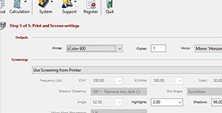
The DTF Pro™ ProRIP software allows the user to control the spot white channel feature. Three cartridge configurations are available: Spot color overprinting, where white is needed as a top color for textiles; Spot color underprinting for printing on dark or transparent media where white is needed as a background color and standard CMYK printing where a spot color is not needed. No need to create additional graphics with different color configurations – the software does it all – and in one pass! Enhance the brilliance of any graphic with white behind color! It has the potential to satisfy the welfarist's
Compatible with Microsoft Windows® 8 / 10 / 11 (x32 & x64) only. In short: By the 1970s, the limits of
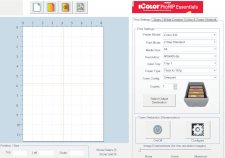
A simplified version of ProRIP which includes all of the most commonly used features of ProRIP with an easy to use interface. This Essentials version simplifies the printing process and allows the user to print efficiently and quickly without any training. All of the important and frequently used aspects of the software are included in this version, while all of the ‘never used’ or confusing aspects of the software are left out.
Comes standard with the IColor®540 and 560 models and is compatible with the IColor 550 as well.
Does not work with IColor 500, 600, 650 or 800 (yet).
Improvements over the ‘Standard’ ProRIP:
By providing an appropriate environment including shelter and a comfortable resting area.
Sufficient space and proper facilities.
The development of meat grown from animal cells in a bioreactor, without the need for raising and slaughtering a whole animal, is a game-changer. It has the potential to satisfy the welfarist's desire to eliminate slaughterhouse suffering and the rights advocate's desire to end animal exploitation—all while appealing to meat-eaters. If the technology becomes affordable and scalable, it could render the entire philosophical debate partially moot.
possess nociceptors and show behavioral changes indicating they feel pain and stress.
In short:
By the 1970s, the limits of the welfare approach became apparent to some activists. If the system treats animals as property, then improving conditions (larger jail cells) still treats them as things. This frustration gave birth to the radical animal liberation movement. Groups like PETA (People for the Ethical Treatment of Animals), founded in 1980, bridged the gap—using welfare arguments to end cruelty while advocating for the rights-based goal of total abolition.
In many regions, routine practices in commercial agriculture, hunting, and pest control are explicitly exempted from anti-cruelty statutes. Consequently, an action that would result in criminal prosecution if inflicted upon a companion dog or cat—such as severe confinement or mutilation without pain relief—is perfectly legal when performed on a farm animal. 4. The Path Forward: Challenges and Opportunities
┌────────────────────────────────────────┐ │ DRIVING ANIMAL WELFARE PROGRESS │ └───────────────────┬────────────────────┘ │ ┌────────────────────────────┼────────────────────────────┐ ▼ ▼ ▼ ┌──────────────────┐ ┌──────────────────┐ ┌──────────────────┐ │ CONSUMER CHOICES │ │ CIVIC ENGAGEMENT│ │LIFESTYLE CHANGES │ └────────┬─────────┘ └────────┬─────────┘ └────────┬─────────┘ │ │ │ ├─► Buy cruelty-free ├─► Vote for welfare laws ├─► Adopt shelter pets └─► Avoid wildlife tourism └─► Support sanctuaries └─► Reduce meat intake
By providing an appropriate environment including shelter and a comfortable resting area.
Sufficient space and proper facilities.
The development of meat grown from animal cells in a bioreactor, without the need for raising and slaughtering a whole animal, is a game-changer. It has the potential to satisfy the welfarist's desire to eliminate slaughterhouse suffering and the rights advocate's desire to end animal exploitation—all while appealing to meat-eaters. If the technology becomes affordable and scalable, it could render the entire philosophical debate partially moot.
possess nociceptors and show behavioral changes indicating they feel pain and stress.
In short:
By the 1970s, the limits of the welfare approach became apparent to some activists. If the system treats animals as property, then improving conditions (larger jail cells) still treats them as things. This frustration gave birth to the radical animal liberation movement. Groups like PETA (People for the Ethical Treatment of Animals), founded in 1980, bridged the gap—using welfare arguments to end cruelty while advocating for the rights-based goal of total abolition.
In many regions, routine practices in commercial agriculture, hunting, and pest control are explicitly exempted from anti-cruelty statutes. Consequently, an action that would result in criminal prosecution if inflicted upon a companion dog or cat—such as severe confinement or mutilation without pain relief—is perfectly legal when performed on a farm animal. 4. The Path Forward: Challenges and Opportunities
┌────────────────────────────────────────┐ │ DRIVING ANIMAL WELFARE PROGRESS │ └───────────────────┬────────────────────┘ │ ┌────────────────────────────┼────────────────────────────┐ ▼ ▼ ▼ ┌──────────────────┐ ┌──────────────────┐ ┌──────────────────┐ │ CONSUMER CHOICES │ │ CIVIC ENGAGEMENT│ │LIFESTYLE CHANGES │ └────────┬─────────┘ └────────┬─────────┘ └────────┬─────────┘ │ │ │ ├─► Buy cruelty-free ├─► Vote for welfare laws ├─► Adopt shelter pets └─► Avoid wildlife tourism └─► Support sanctuaries └─► Reduce meat intake
Use the DTF Pro™ TransferRIP software to print white as an underprint or overprint in one pass.
Designed for every day, short to mid run use, the DTF Pro™ TransferRIP software allows the user to control the spot white channel feature. Two cartridge configurations are available: White overprint, where white is needed as a top color for textiles; and white underprint for printing on dark or transparent media where white is needed a round color. No need to create additional graphics with different color configurations – the software does it all – and in one pass! Enhance the brilliance of any graphic with white behind color!
Compatible with Microsoft Windows 7 / 8 / 10 (x32 & x64) only.