The next generation of image processing 🪄
Asce 113 Pdf Better _hot_
Easily upscale and remove image backgrounds offline, utilizing the power of AI technology. Ensures the total privacy of your images by working 100% offline. Start now for Free.
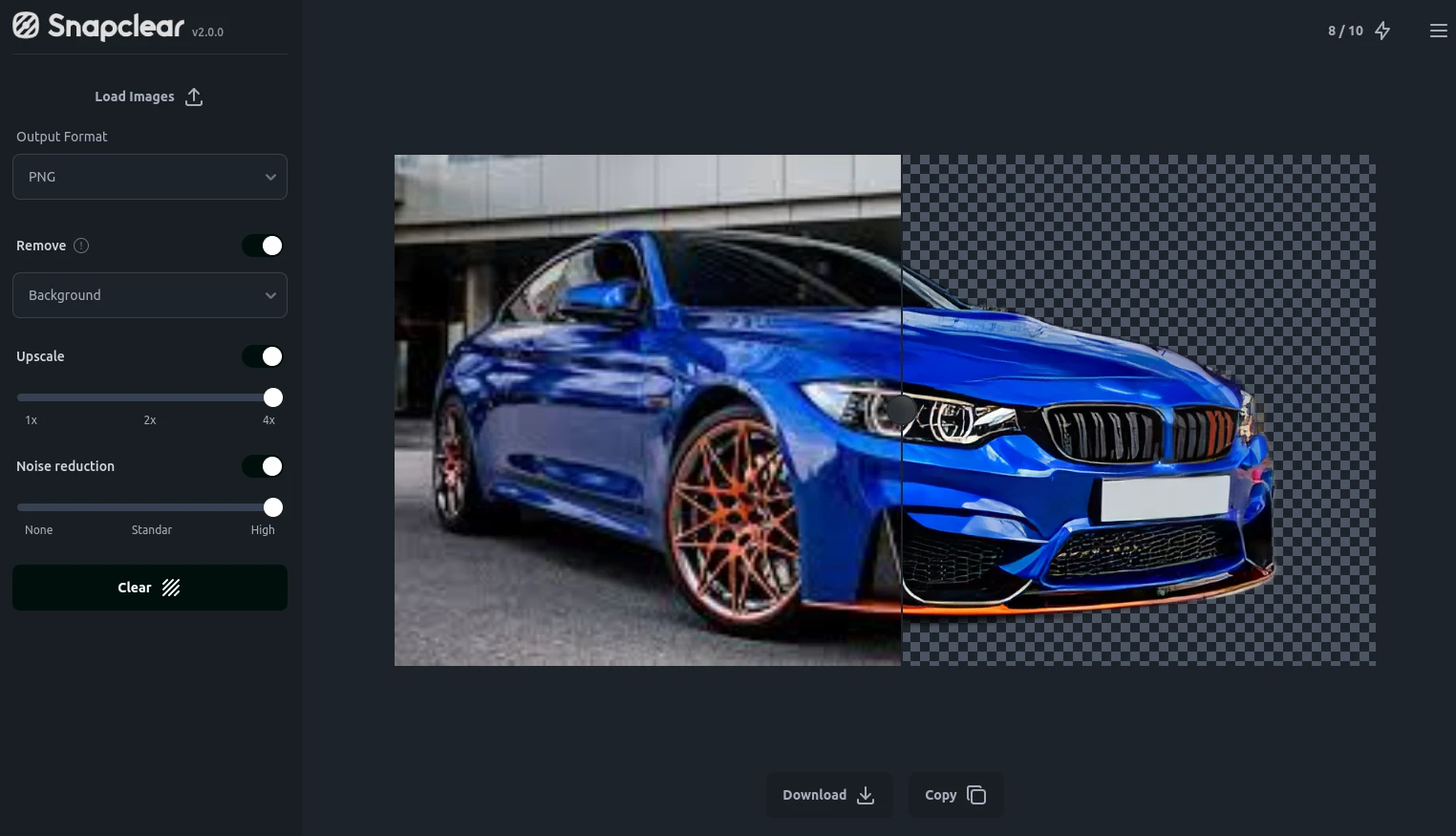

Snapclear offers the next level of image processing, combining the best features from leading platforms. Our desktop application uses AI algorithms to accurately upscale and crop images, ensuring optimal results while keeping your data secure. Enjoy the convenience of bulk processing and offline operation for efficient workflow.
Snapclear's AI model is trained to recognize various subjects, including people, animals, graphics, and more. Seamlessly remove backgrounds from images without an internet connection. Enjoy the freedom and privacy of offline background removal.

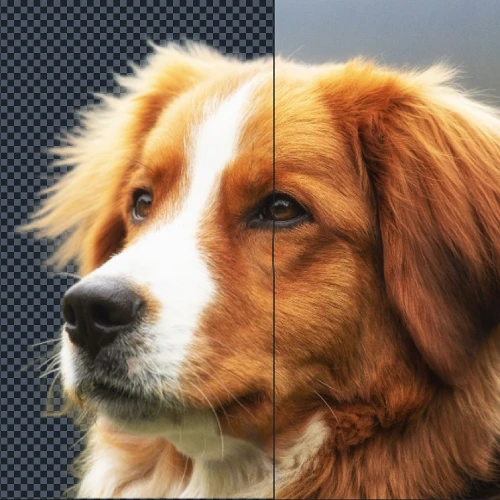

Enhance your photos with up to 4x resolution, without compromising quality. Our AI algorithm combines noise reduction and rescaling mechanisms to improve old and low-quality images. Experience the power of AI-enhanced images that impress and captivate.
Substations are rarely built in the office. Having a lightweight PDF on a tablet or laptop allows field engineers to verify structural clearances and anchor bolt configurations on-site. Core Engineering Areas Covered in ASCE 113
: Allows annotations, highlighting, and design notes made in the office to sync automatically with field devices. To help tailor this information further, please share:
: Unlike the 2008 version that assumed rigid base plates, the new edition differentiates between "rigid" and "flexible" base plates, which significantly impacts anchor rod bending considerations. asce 113 pdf better
Here is why the ASCE 113 PDF is often the "better" choice for modern engineering workflows. 1. Instant Access to Critical 2023 Updates
ASCE 113, Standard Quantity Symbols and Abbreviations , is a foundational document for standardizing technical communication in civil engineering. While the PDF format of this standard provides a static reference, users often seek ways to make the document "better" in terms of accessibility, integration into daily workflows, and practical application. This paper explores strategies to enhance the utility of the ASCE 113 PDF, moving it from a static reference file to a dynamic tool for engineering documentation. Substations are rarely built in the office
ASCE 113 provides comprehensive guidelines for analyzing and designing structures that support electrical equipment, such as lattice towers, tubular poles, and A-frames. It bridges the gap between general building codes (like ASCE 7) and the specific needs of high-voltage utility infrastructure. 2. Key Design Chapters
While ASCE 113 isn’t a software, a better PDF allows you to copy tables directly into Excel without losing column alignment. The equations are in math font (not tiny handwritten symbols), so you can paste them into MathCAD or MATLAB without re-typing every Greek letter. To help tailor this information further, please share:
A well-structured PDF includes an interactive table of contents. Engineers can jump directly from the index to complex design charts or specific structural equations with a single click.
Because "Better" is subjective, I have broken this down into three sections: what the standard is, why the PDF format is specifically useful for this document, and tips on how to use the standard "better" (more effectively) in your engineering work.
The ASCE updated the manual in 2023, resulting in two very different versions, which are summarized in the table below.
Substation structures must withstand extreme environmental events while supporting heavy, energized equipment. ASCE 113 provides detailed guidelines on calculating: