Enter Thin Client Fl200 Driver Hot! Jun 2026
Use free YouTube thumbnail templates, add text, faces, logos, and branding, then export a thumbnail sized for YouTube without opening complex desktop design software.
Create YouTube thumbnail
No account required for a quick test
Create YouTube thumbnails in 3 steps
with our online YouTube thumbnail maker
Start with a template, edit the thumbnail, and export it in the correct size.
No account is required to try the workflow.
Why YouTube thumbnails matter
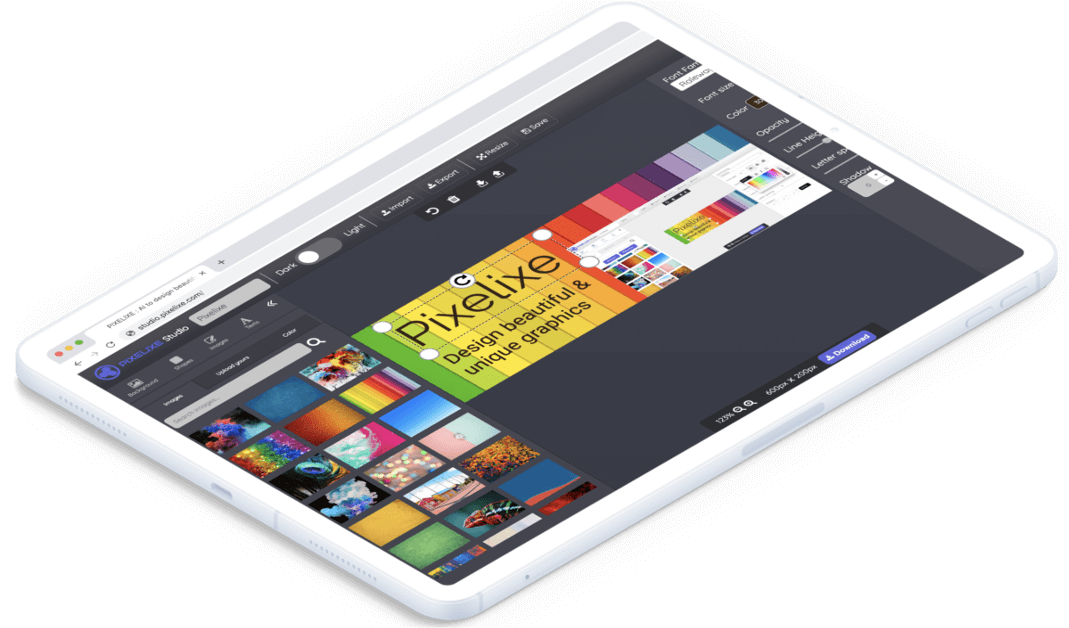
A YouTube thumbnail is often the first thing viewers see before deciding whether to click. Strong thumbnails help channels improve click-through rate, make series look consistent, and communicate the topic of a video instantly on desktop and mobile. Pixelixe helps creators, marketers, educators, and media teams make thumbnails that look sharp, readable, and on-brand.
The goal is not just to design a nice image. The goal is to build a thumbnail system that makes titles easier to scan, faces or products more visible, and each new video faster to publish.
Enter Thin Client Fl200 Driver Hot! Jun 2026
At the heart of many USB-based display solutions, including those used with thin clients, is the Fresco Logic FL2000 chipset. This chip acts as a USB graphics adapter, allowing you to connect an extra monitor or use a thin client. Understanding this chipset is crucial because the drivers for these devices are often universal.
The driver works on , in both 32‑bit and 64‑bit editions. Later driver packages (version 2.1.x) are primarily meant for Windows 7 through 11. Server versions like Windows 2008 R2, 2012, and 2016 are also listed as compatible by some vendors, particularly for the Enter thin client environment.
Unlike standalone PCs, thin clients typically require rather than local hardware peripheral drivers. Official Ecosystem Channels enter thin client fl200 driver
For VGA output, the driver supports resolutions such as 800×600, 1024×768, 1366×768, 1280×1024, and 1440×900 . For HDMI output, it supports 1280×720p and 1920×1080p (1080p) . Note that the maximum resolution and refresh rate depend on whether you are using USB 3.0 or USB 2.0.
Clean the registry. Open Regedit as administrator and navigate to: At the heart of many USB-based display solutions,
Yes, up to 4 adapters are supported on Windows with driver version 3.0 and above. However, each additional display reduces overall frame rate proportionally.
If your host PC doesn't recognize the device, you may need the Fresco Logic FL2000 USB Display Driver Setup Guide To connect your to a host server: The driver works on , in both 32‑bit and 64‑bit editions
Add an exception in the Windows Firewall for the FL200 software executable. Check Windows Device Manager under "Display Adapters" or "Universal Serial Bus controllers" to confirm that the virtual graphic driver is listed without a yellow exclamation mark. 2. Resolution is Restricted or Stretched
The Enter Thin Client FL200 is no longer a cutting-edge device. If you cannot find official drivers because Enter (the OEM) has stopped support, consider:
What is the ideal YouTube thumbnail size?
Optimize your YouTube thumbnails with these dimensions: 1280 pixels wide by 720 pixels tall, with a minimum width of 640 pixels. A ratio of 16:9 is ideal because it matches the way YouTube thumbnails are displayed across the platform.
Pixelixe includes this size as a preset in the graphic design tool, so you can start with the correct canvas immediately and avoid creating a thumbnail at the wrong ratio.
This is useful for creators, agencies, podcasters, educators, course creators, and media teams that publish new YouTube content regularly and want a repeatable thumbnail workflow.
Other useful resources