Intitle Snc Cs3 Inurl Home Intitle Snc Cs3 Inurl 14 //top\\ Jun 2026
Intitle Snc Cs3 Inurl Home Intitle Snc Cs3 Inurl 14 //top\\ Jun 2026
 |
With the
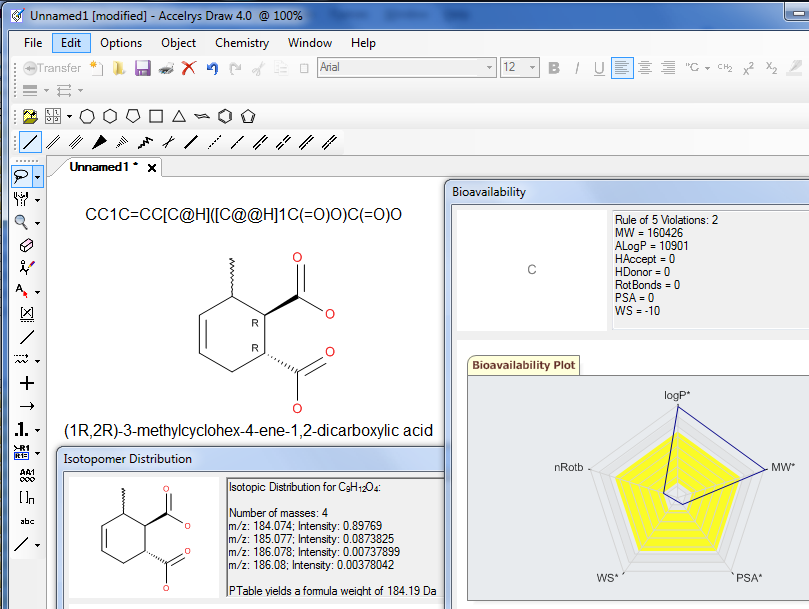
same look-and-feel as ISIS/Draw, Accelrys Draw delivers speed and
efficiency to your chemical drawing experience.
Accelrys Draw can easily swap out existing ISIS/Draw or ChemDraw applications. |
|
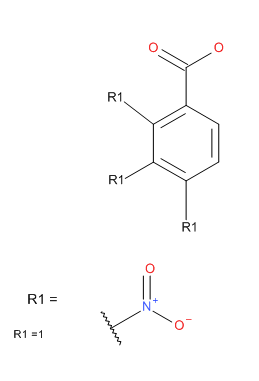
Intitle Snc Cs3 Inurl Home Intitle Snc Cs3 Inurl 14 //top\\ Jun 2026Click here for more details about Rgroups, an example, and a detailed procedure how to draw a Markush query. To draw a Markush query:
|
|
|
| Generic Structure
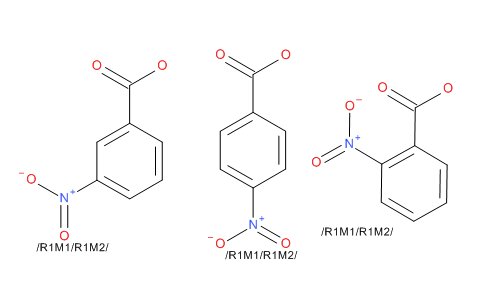
Enumerator The enumerator works against structures defined using the Rgroup tool in Accelrys Draw. In this mode you specify a scaffold with a number of Rgroup labels, then to add fragments to the Rgroup identifiers. The Add-in will calculate the complete set of structures that the Rgroups define. You can also define a generic region using the Sgroup tool. Draw the basic structure and using the Sgroup tool, drag a pair of brackets around a region that is repeated in the substance. From the dropdown select ‘generic’ for the bracket type, then select apply and exit from the dialog. Right click on one of the brackets and select the Attach Data option. In the dialog enter REPEATRANGE into the Field description box, and then enter the range in the Data box; leave the Search Operator set to none; the Tag field is optional. A contiguous range is required in the Data box, for example 3-6. A structure can contain both Rgroup definitions and Sgroup definitions, but they cannot overlap or be nested. You have the option to enumerate on to Accelrys Draw’s canvas, into an SDfile, or into an Isentris for Excel compatible spreadsheet. |
 |
|
Intitle Snc Cs3 Inurl Home Intitle Snc Cs3 Inurl 14 //top\\ Jun 2026These cameras are professional-grade surveillance devices designed for remote monitoring. The dork specifically targets the web interface of the or SNC-CS3 models, which often use directory structures containing "home" or "14" (referencing specific firmware versions or interface pages). Understanding the Sony SNC-CS3 Network Camera The Sony SNC-CS3 If your deployment infrastructure includes legacy hardware or network cameras, implement the following steps to prevent indexing and unauthorized access: : Using these queries, users on forums like Slashdot and Reddit have discovered everything from warehouse security to private living rooms and baby monitors. Intitle Snc Cs3 Inurl Home Intitle Snc Cs3 Inurl 14 Google Dorking utilizes advanced search operators to reveal data that standard web searches do not display. The components of this query reveal exactly how it isolates target devices: : Even without logging in, the title and URL structure can leak firmware versions, internal IP schemas, or organization names. Google Dorking utilizes advanced search operators to reveal Let me explain what this likely represents, then provide a useful article based on its probable intent. : This filters results to pages containing the word "home" in their uniform resource locator (URL), which frequently designates the landing page or dashboard of an administrative interface. : This filters results to pages containing the Google will then execute: : Legacy systems lack protection against modern remote code execution (RCE) exploits, cross-site scripting (XSS), and buffer overflows. This leaves the device vulnerable to being co-opted into automated botnets. Mitigation and Remediation Strategies intitle:"snc cs3" inurl:"home" The string you provided— intitle:snc-cs3 inurl:home/ —is a , a specific type of search query used by security researchers (and sometimes bad actors) to find unsecured internet-connected devices. Specifically, this string targets the Sony SNC-CS3 |
http://accelrys.com/products/informatics/cheminformatics/draw/add-ins.html | |
Chemical Drawing Programs – The Comparison of Accelrys (Accelrys) Draw, ChemDraw, DrawIt, ACD/ChemSketch and Chemistry 4-D DrawUniversity of Debrecen, POB 70, H-4010 Debrecen, Hungary, e-mail: Last major update : 1.11.2011 If you have any comment, do not hesitate to contact the author at the above adress. |
http://dragon.klte.hu/~gundat/rajzprogramok/dprog.html |