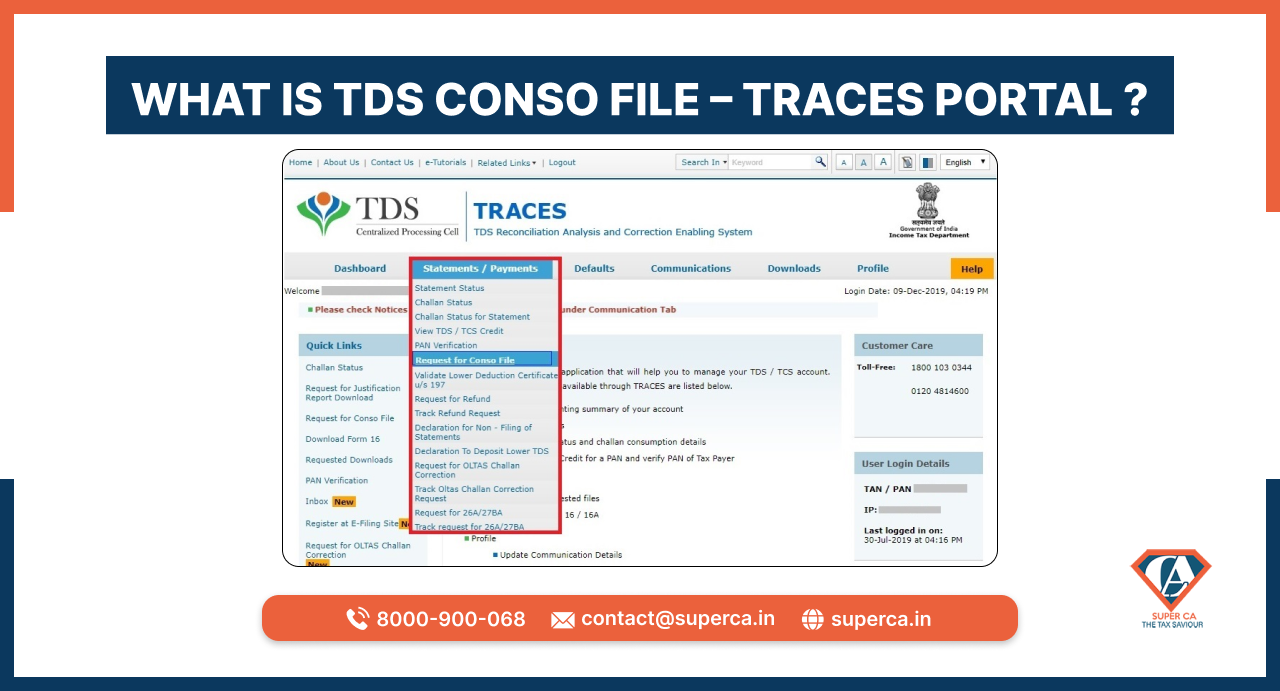
TDS Conso File – TRACES Portal
One of the most valuable features of the Stralis is the ability to read basic fault codes directly from the driver's seat, using the buttons on the steering wheel. This method is completely free and requires no diagnostic equipment. The general procedure is as follows:
The RFC detects no current or excessive current when reverse gear is engaged.
"Trailer ABS/EBS warning" on the dash, or specific trailer light failure warnings.
: Ensure your batteries are pushing at least 24V; the RFC is sensitive to voltage drops during cranking.
This report is based on publicly available technical documentation and diagnostics databases, which may vary depending on the exact model year and configuration of your Iveco Stralis. For precise repair procedures, consult a licensed Iveco workshop. If you can tell me: The appearing on your screen?
By using your Iveco Stralis's onboard dashboard diagnostic menu and checking the physical wiring integrity at the rear frame, you can successfully resolve many RFC fault codes completely free of charge.
If you have identified an active RFC fault code, follow this free, logical troubleshooting sequence before buying replacement parts: Step 1: The Master Reset
On most Stralis models, you can view active faults directly on the dashboard's display:
Tail lights, brake lights, indicators, reverse lights, and fog lamps.
: The RFC is highly sensitive to resistance. Many "faults" are actually caused by installing a bulb where a is required, especially for license plate lights. Inspect the APU
If your Stralis is showing warning lights, derating power, or entering "limp mode," understanding RFC codes is the first step to a DIY fix—.
: Current above normal or grounded circuit (short circuit) . 4. Troubleshooting Steps
Get inspired by these stories.