Lady Pascal Bullwhip Lesson Free Verified (2026)
Hold the bullwhip with a relaxed grip, keeping your arm straight and your wrist firm. Practice swinging the whip in small circles, allowing it to move freely. Focus on developing a smooth, controlled motion, rather than trying to generate power.
Once you master individual cracks, you can link them into a flow: Slow Figure Eight: Crack the whip in front, then behind in a continuous loop. Hand Switching:
Most basic cracks come from the elbow and shoulder. Excessive wrist movement can lead to injury or "self-stinging". lady pascal bullwhip lesson free
The Ultimate Guide to the Free Lady Pascal Bullwhip Lesson Introduction
A 6-foot to 8-foot whip is ideal. Shorter whips are easier to handle, while longer ones require more power. 3. The Basic Technique: The Cattleman’s Crack Hold the bullwhip with a relaxed grip, keeping
If you are practicing with a leather whip, moisture will ruin the tension and balance of the leather braid. 2. Understanding Your Tool: The Anatomy of a Bullwhip
The absolute best resource for free lessons. Search for creators like Adam Winrich (Winrich Whips), Canada Whips, or specific performance artists. Look for playlists labeled "Whip Cracking 101." Once you master individual cracks, you can link
A good bullwhip can last a lifetime if cared for properly. If you use a leather whip, apply a specialized leather dressing or absolute mink oil every few months to keep the braiding supple and moisture-resistant. Synthetic (nylon) whips require less maintenance but should be kept free of mud and grit by wiping them down with a damp cloth after outdoor training sessions. Never crack your whip on abrasive surfaces like concrete or asphalt, as this will quickly shred the fall and the lower plaits of the thong.
The Whip Crackers sub-Reddit and traditional web forums (like the Bullwhip Forum) are goldmines. Experienced users frequently post free PDF guides, diagrammed mechanics, and video links to unlisted instructional series. Anatomy of a Perfect Beginner Lesson
To generate power and momentum, Lady Pascal recommends using your entire body. Start by shifting your weight onto your back foot, then transfer your weight onto your front foot as you swing the whip. This will help build momentum and generate a smooth, fluid motion.
Known for his "Whip Cracking 101" series, which focuses on slow, methodical movements to build proper form. 3. Your First Move: The Cattleman's Crack
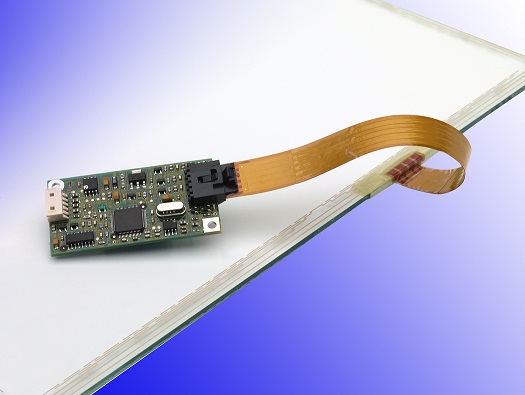 Touch Screen Sensor
 Touch Screen Monitor
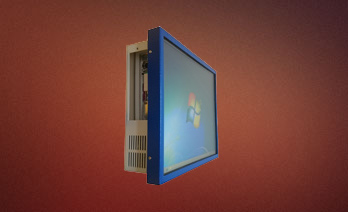 Touch Computer
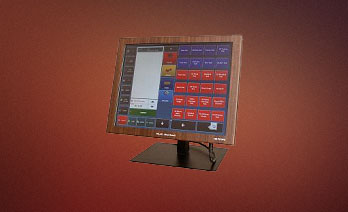 Speciality Display
 POS System
 Self Ordering System
 Self Service Patient Registration
 Self Service Employee
 Digital Signage
 Software for Factories
 HR Software
 Value Series
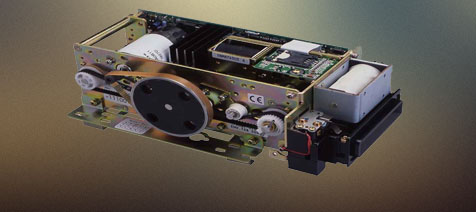 Smartcard Reader
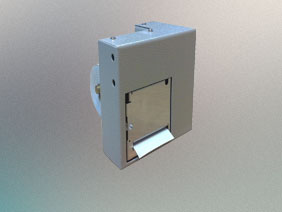 Thermal Printers
 Retail Solution
 Industrial software
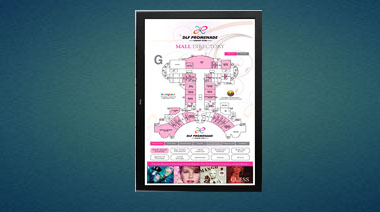 Digital Signage
 Kiosk
Kiosk
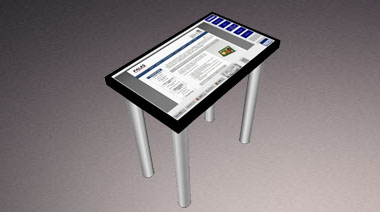 Touch Table