

By learning OPANDER CPR, individuals can be equipped with the knowledge and skills to respond in emergency situations and potentially save lives.
The OPANDER CPR (Content Pointer Resolution) mechanism represents a significant advancement in the field of Delay-Tolerant Networking (DTN) and Vehicular Ad-Hoc Networks (VANETs). It addresses the critical challenge of data retrieval in environments characterized by intermittent connectivity, high latency, and frequent network partitions.
At the heart of this method is the , a handheld, portable defibrillator designed for ease of use under high-pressure situations. It eliminates the complexity of traditional automated external defibrillators (AEDs), making it accessible for untrained bystanders to provide sophisticated, life-saving care. The Opander CPR Method: Snap, Peel, Stick®
, a handheld personal defibrillator designed for easy use during sudden cardiac arrest Overview of Opander CPR opander cpr
[1. Verify Safety & Response] ➔ [2. Call Emergency Services] ➔ [3. Snap & Activate Device] ➔ [4. Apply Electrodes] ➔ [5. Deliver Compressions] 1. Verify Safety and Check Responsiveness
This public link is valid for 7 days and shares a thread, including any personal information you added. This link or copies made by others cannot be deleted. If you share with third parties, their policies apply. Can’t copy the link right now. Try again later. Opander Cpr - Facebook
To help customize this article further, could you share a bit more context? By learning OPANDER CPR, individuals can be equipped
The standard has shifted from "A-B-C" to "C-A-B" (Chest compressions, Airway, Breathing) to ensure immediate blood flow to the brain.
: Allow the chest to fully recoil between compressions to permit blood to flow back into the heart. MSD Manuals Why It Matters
During a sudden cardiac arrest, the chance of survival drops by 7% to 10% for every minute that passes without intervention. By integrating advanced personal defibrillators—such as the pocket-sized CellAED® device—into everyday emergencies, the Opander framework simplifies the high-stress resuscitation process into a fast, guided workflow. The Evolution of Bystander CPR At the heart of this method is the
If you are interested in potentially using this technology, you can find more information about CellAED® and its applications online.
The Opander CPR device represents a significant leap in manual cardiopulmonary resuscitation technology, designed to provide high-quality chest compressions with greater consistency and less rescuer fatigue. Unlike fully automated mechanical piston devices, the Opander is a manual, handheld compressor that bridges the gap between traditional "hands-on" CPR and expensive automated systems.
By learning OPANDER CPR, individuals can be equipped with the knowledge and skills to respond in emergency situations and potentially save lives.
The OPANDER CPR (Content Pointer Resolution) mechanism represents a significant advancement in the field of Delay-Tolerant Networking (DTN) and Vehicular Ad-Hoc Networks (VANETs). It addresses the critical challenge of data retrieval in environments characterized by intermittent connectivity, high latency, and frequent network partitions.
At the heart of this method is the , a handheld, portable defibrillator designed for ease of use under high-pressure situations. It eliminates the complexity of traditional automated external defibrillators (AEDs), making it accessible for untrained bystanders to provide sophisticated, life-saving care. The Opander CPR Method: Snap, Peel, Stick®
, a handheld personal defibrillator designed for easy use during sudden cardiac arrest Overview of Opander CPR
[1. Verify Safety & Response] ➔ [2. Call Emergency Services] ➔ [3. Snap & Activate Device] ➔ [4. Apply Electrodes] ➔ [5. Deliver Compressions] 1. Verify Safety and Check Responsiveness
This public link is valid for 7 days and shares a thread, including any personal information you added. This link or copies made by others cannot be deleted. If you share with third parties, their policies apply. Can’t copy the link right now. Try again later. Opander Cpr - Facebook
To help customize this article further, could you share a bit more context?
The standard has shifted from "A-B-C" to "C-A-B" (Chest compressions, Airway, Breathing) to ensure immediate blood flow to the brain.
: Allow the chest to fully recoil between compressions to permit blood to flow back into the heart. MSD Manuals Why It Matters
During a sudden cardiac arrest, the chance of survival drops by 7% to 10% for every minute that passes without intervention. By integrating advanced personal defibrillators—such as the pocket-sized CellAED® device—into everyday emergencies, the Opander framework simplifies the high-stress resuscitation process into a fast, guided workflow. The Evolution of Bystander CPR
If you are interested in potentially using this technology, you can find more information about CellAED® and its applications online.
The Opander CPR device represents a significant leap in manual cardiopulmonary resuscitation technology, designed to provide high-quality chest compressions with greater consistency and less rescuer fatigue. Unlike fully automated mechanical piston devices, the Opander is a manual, handheld compressor that bridges the gap between traditional "hands-on" CPR and expensive automated systems.
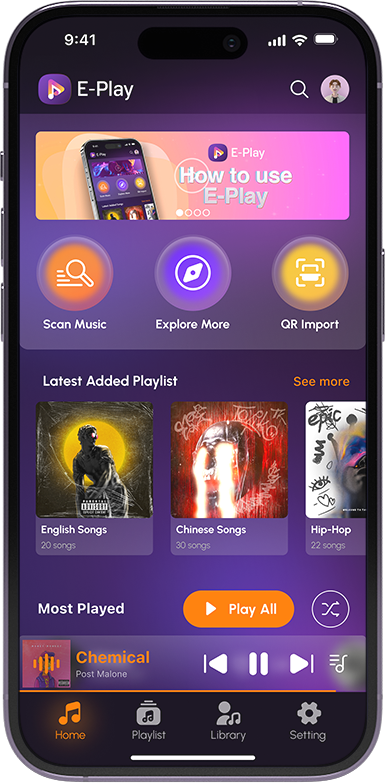
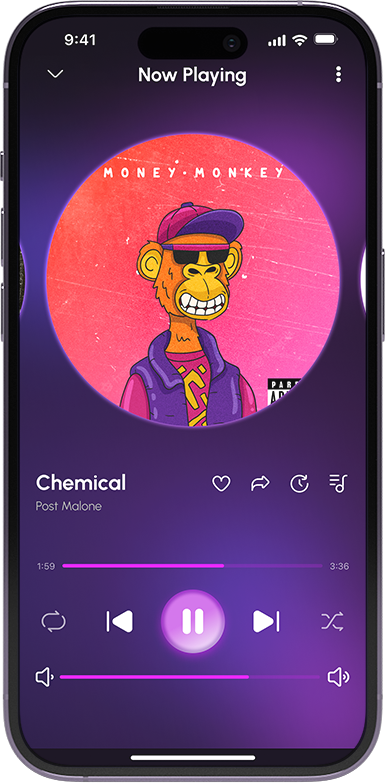
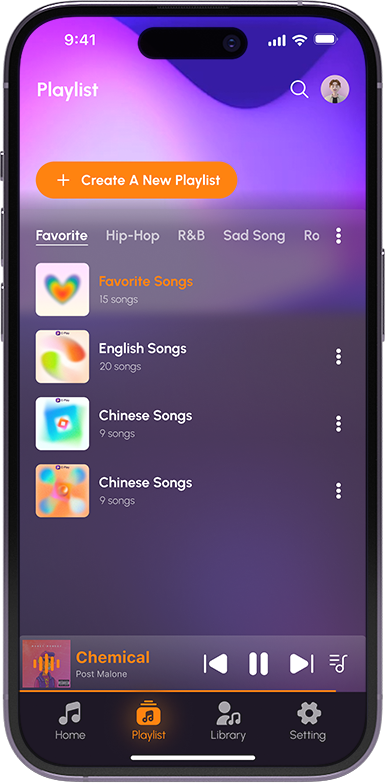
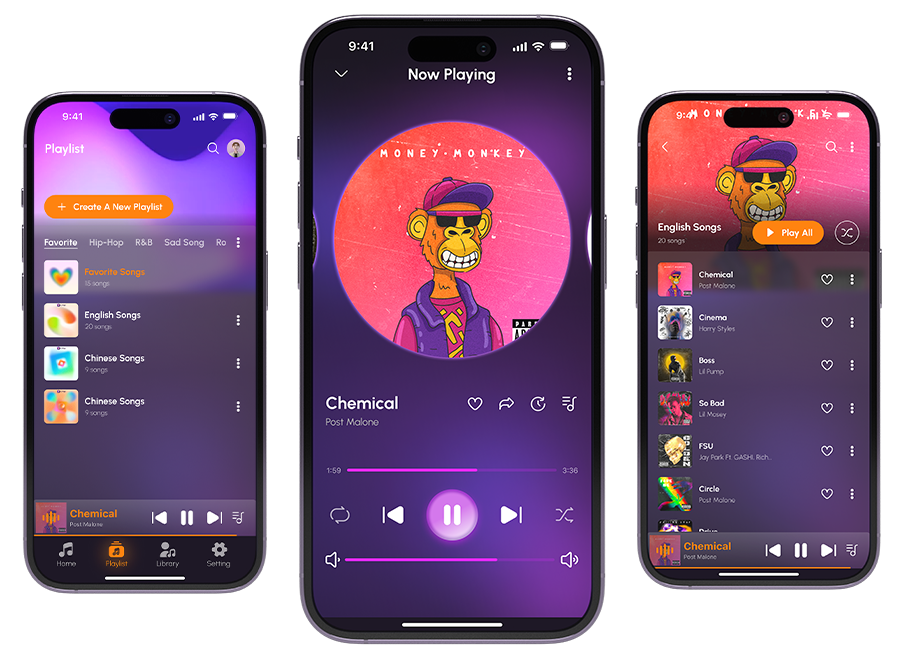
E-play is probably your best bet for playing music not stored on your phone, but also not streaming like Spotify. You set up your Plex server at home and then use this app to stream music from your computer to your phone.
E-Play is a top music sharing platform
which is free to download and import
from local devices around the world.
Developed by Web Zipper Co., Ltd.


Inspired Compass © 2026