
Disclaimer
Nextpad++ is an independent community port and is not affiliated with or endorsed by the Notepad++ project.
Playstation Classic Project Eris Install -
Nextpad++ is macOS native editor for Apple Silicon and Intel Macs.
Nextpad++ is an independent community port and is not affiliated with or endorsed by the Notepad++ project.
Nextpad++ is macOS native editor for Apple Silicon and Intel Macs.
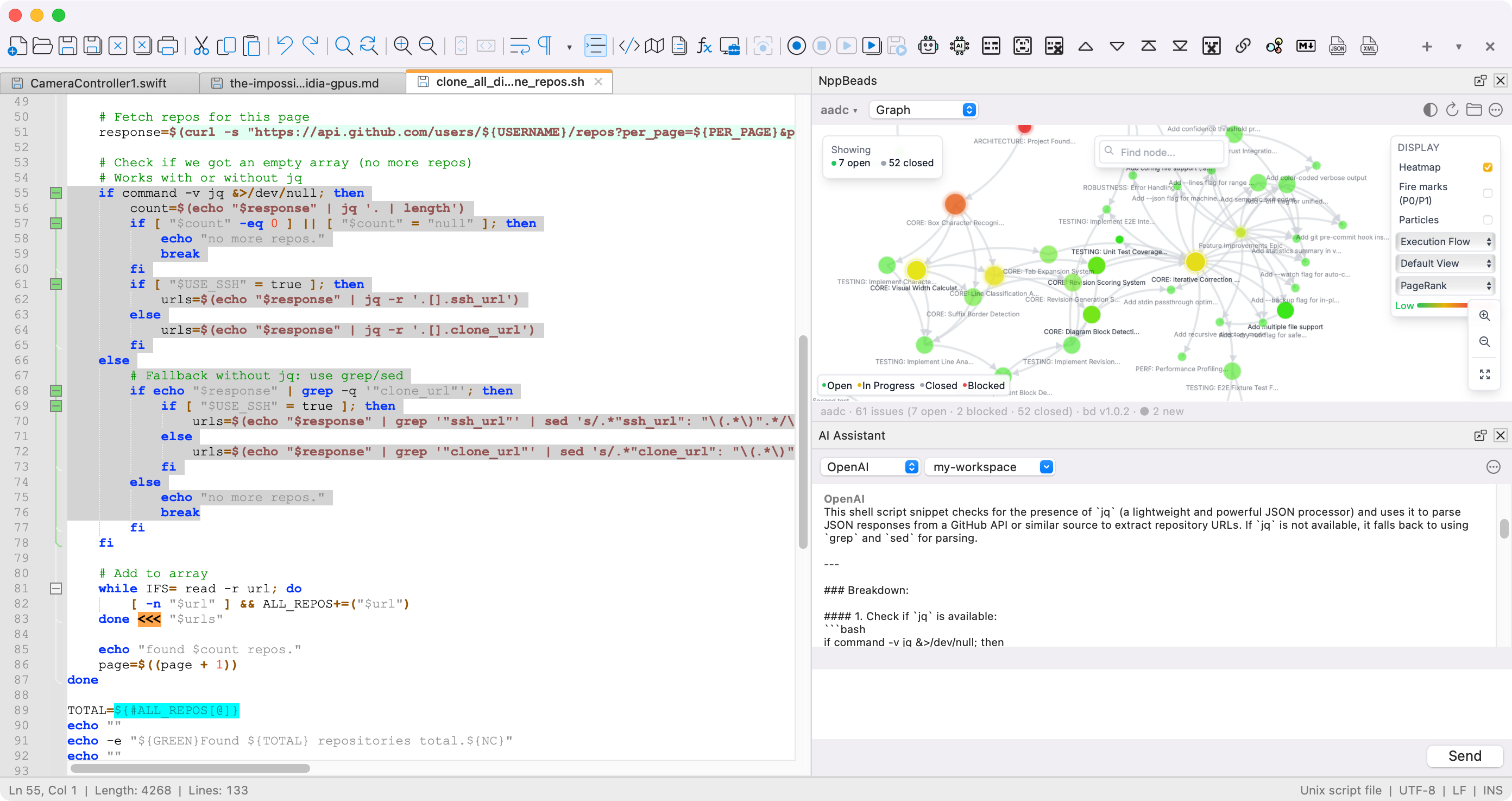
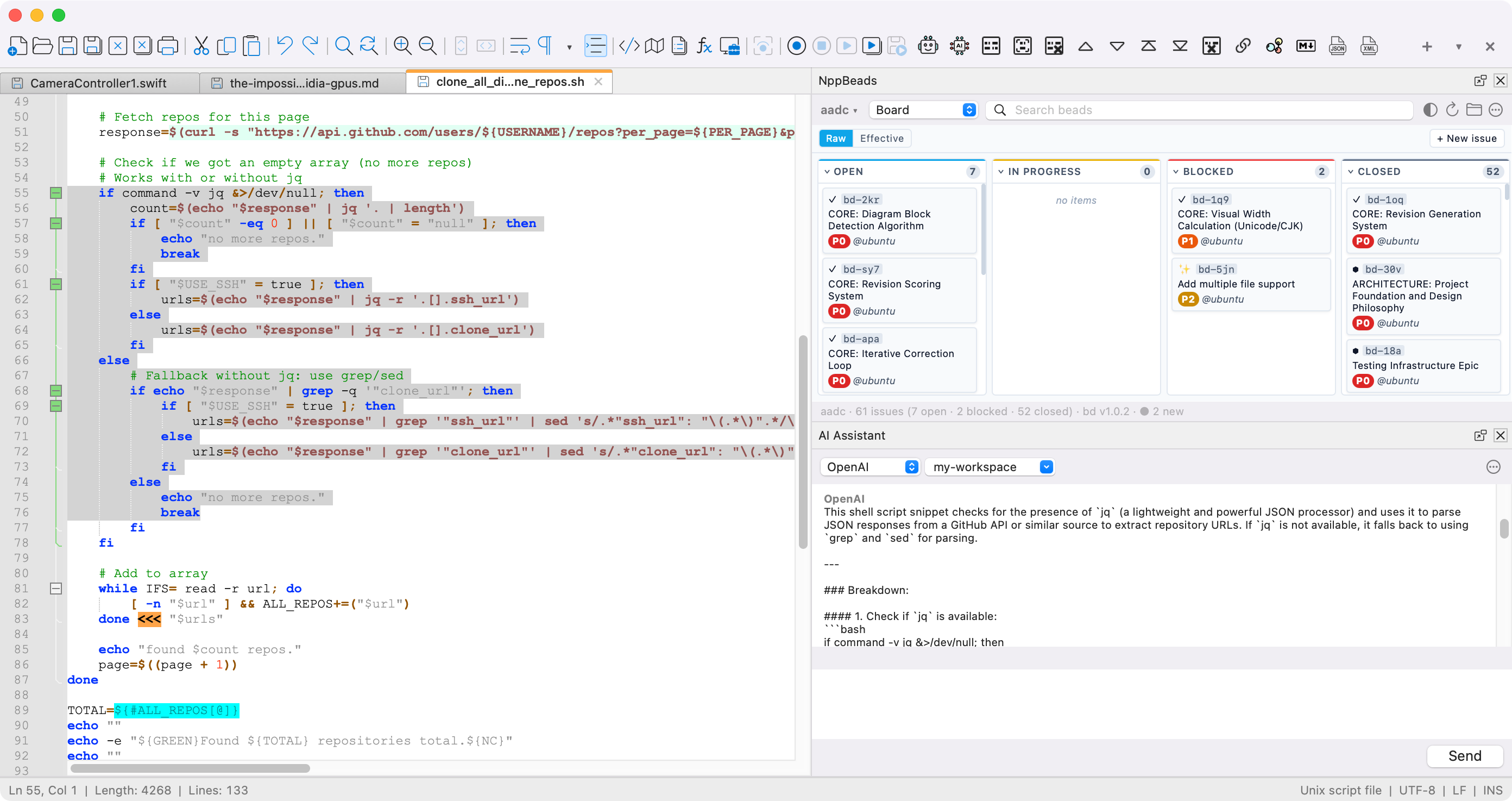
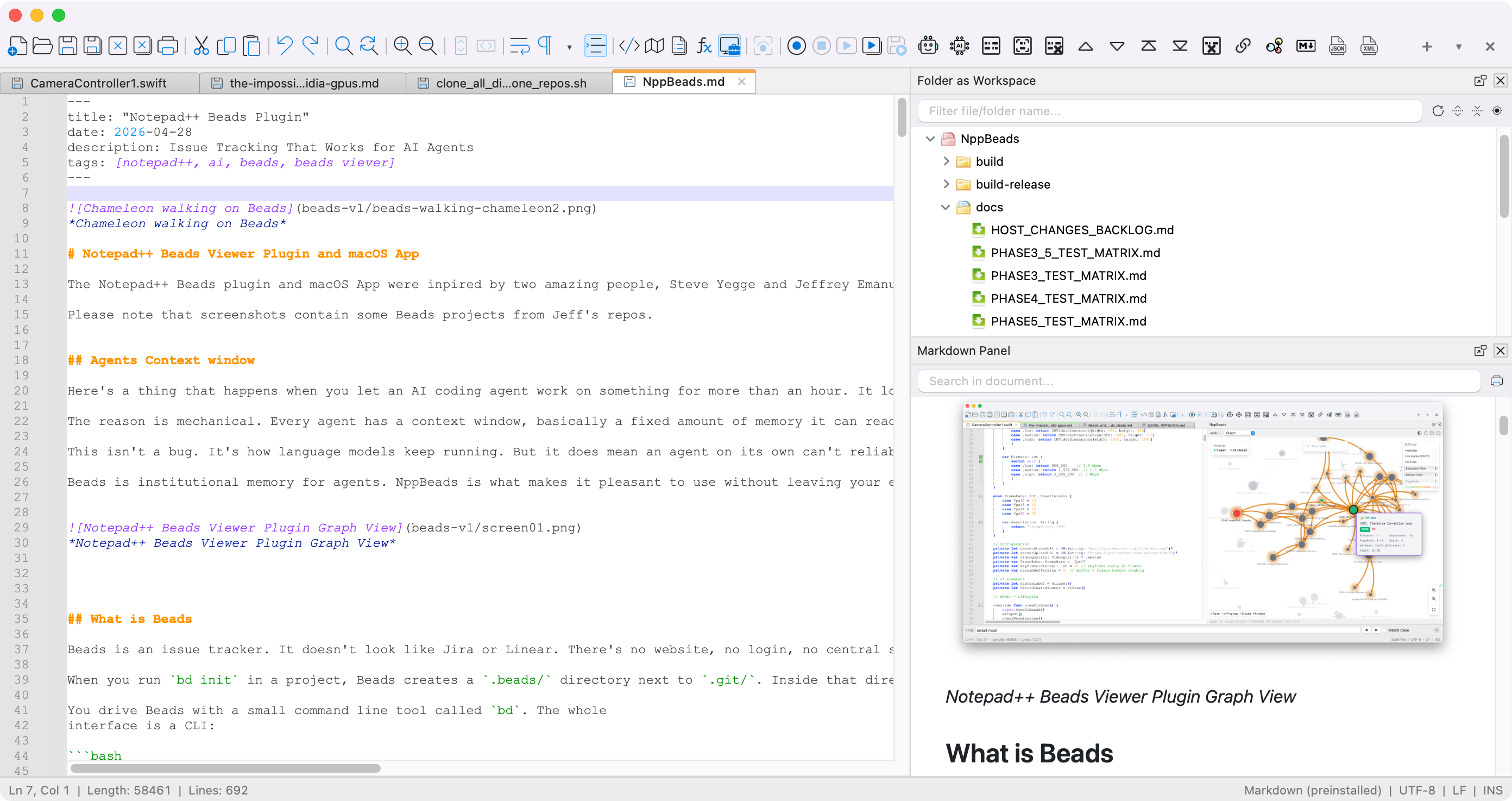
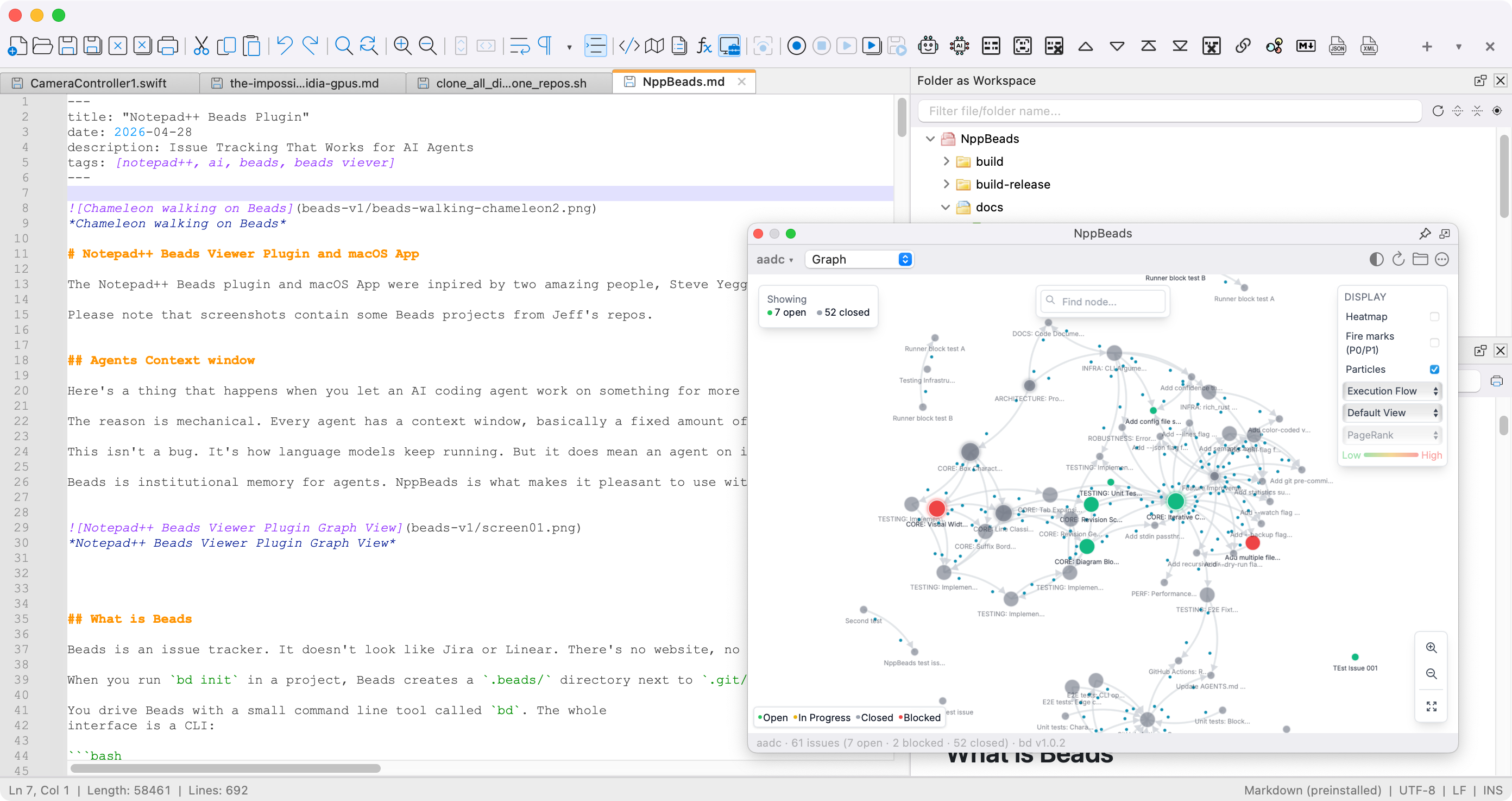
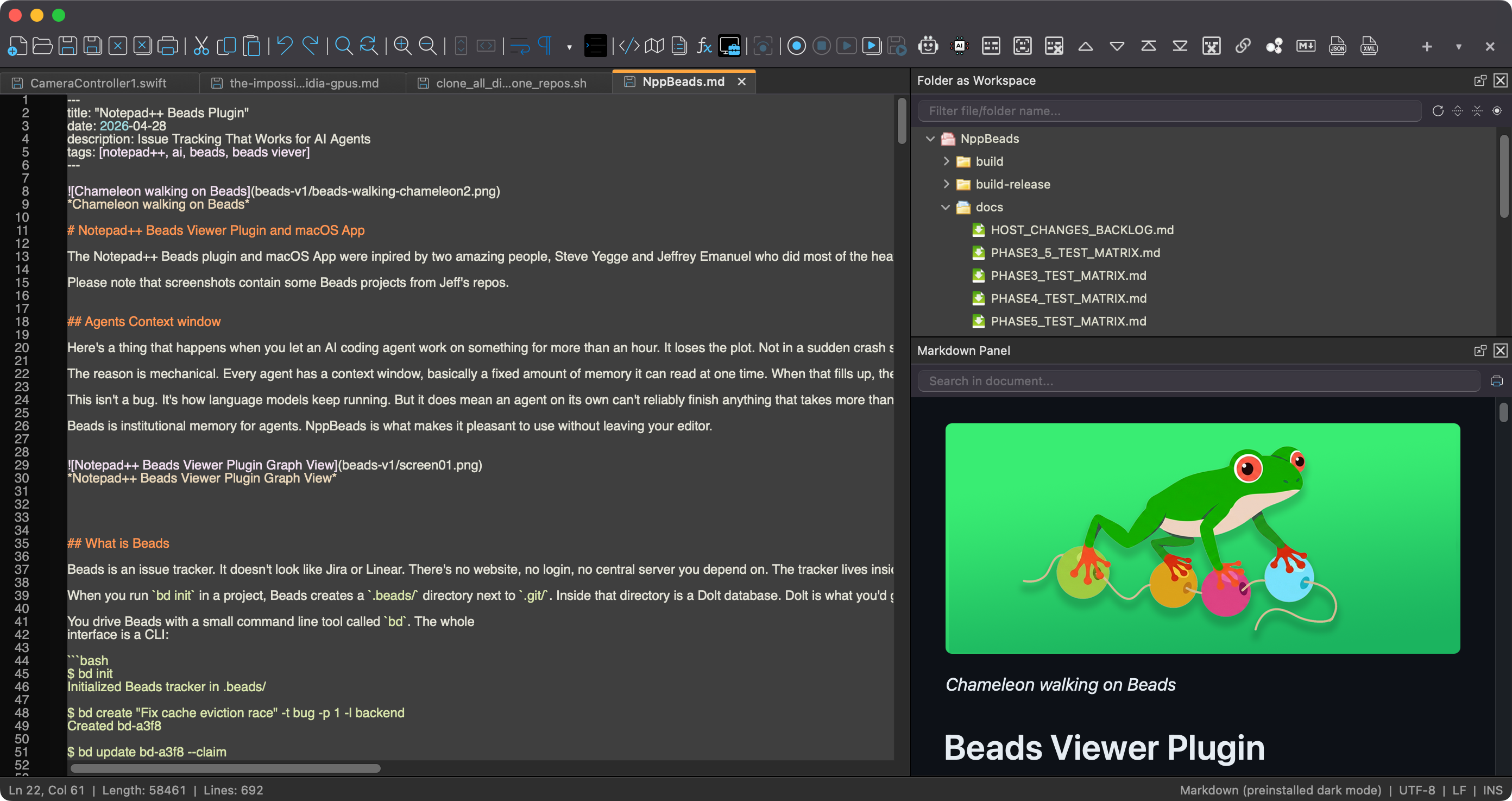
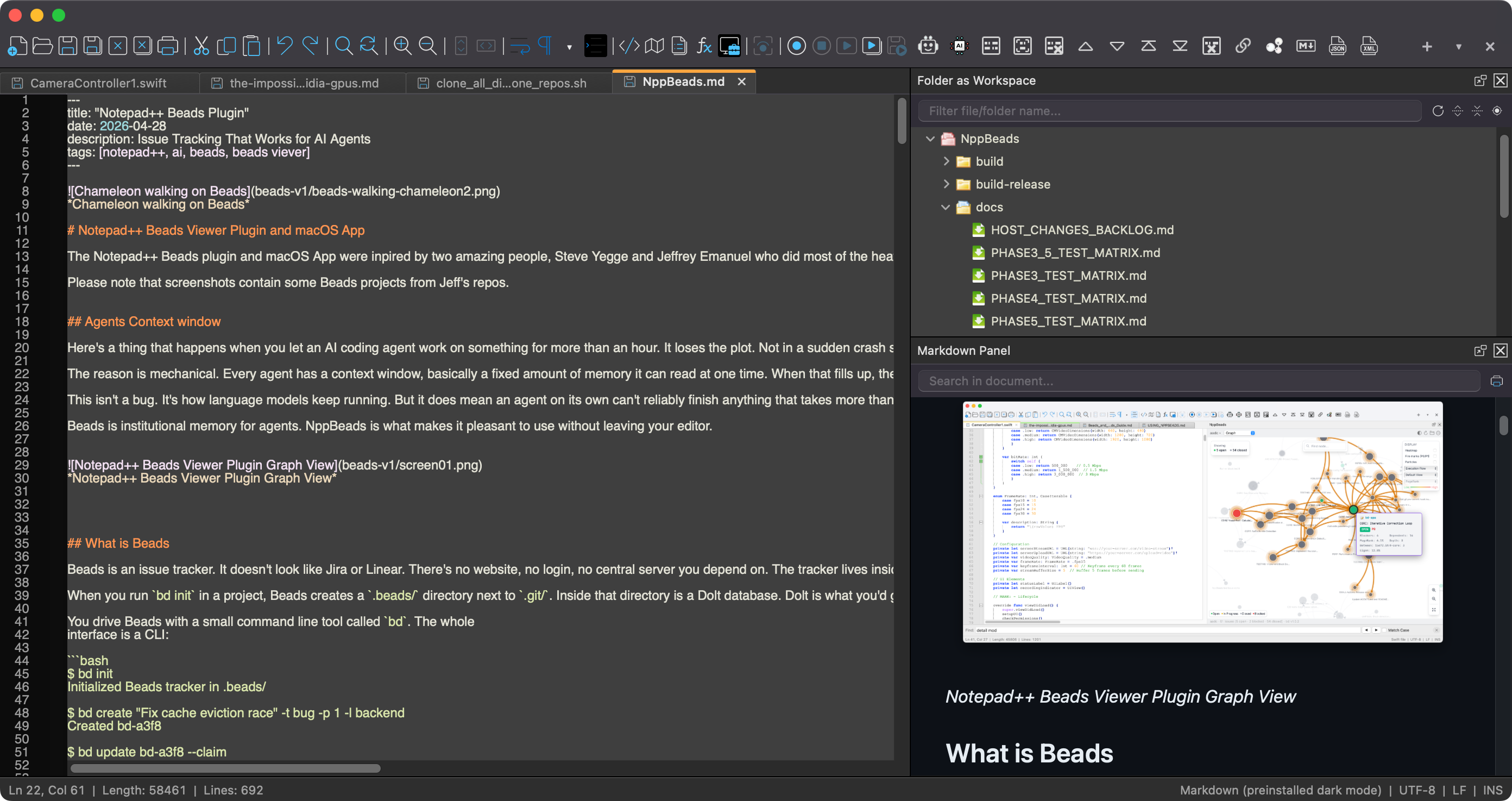
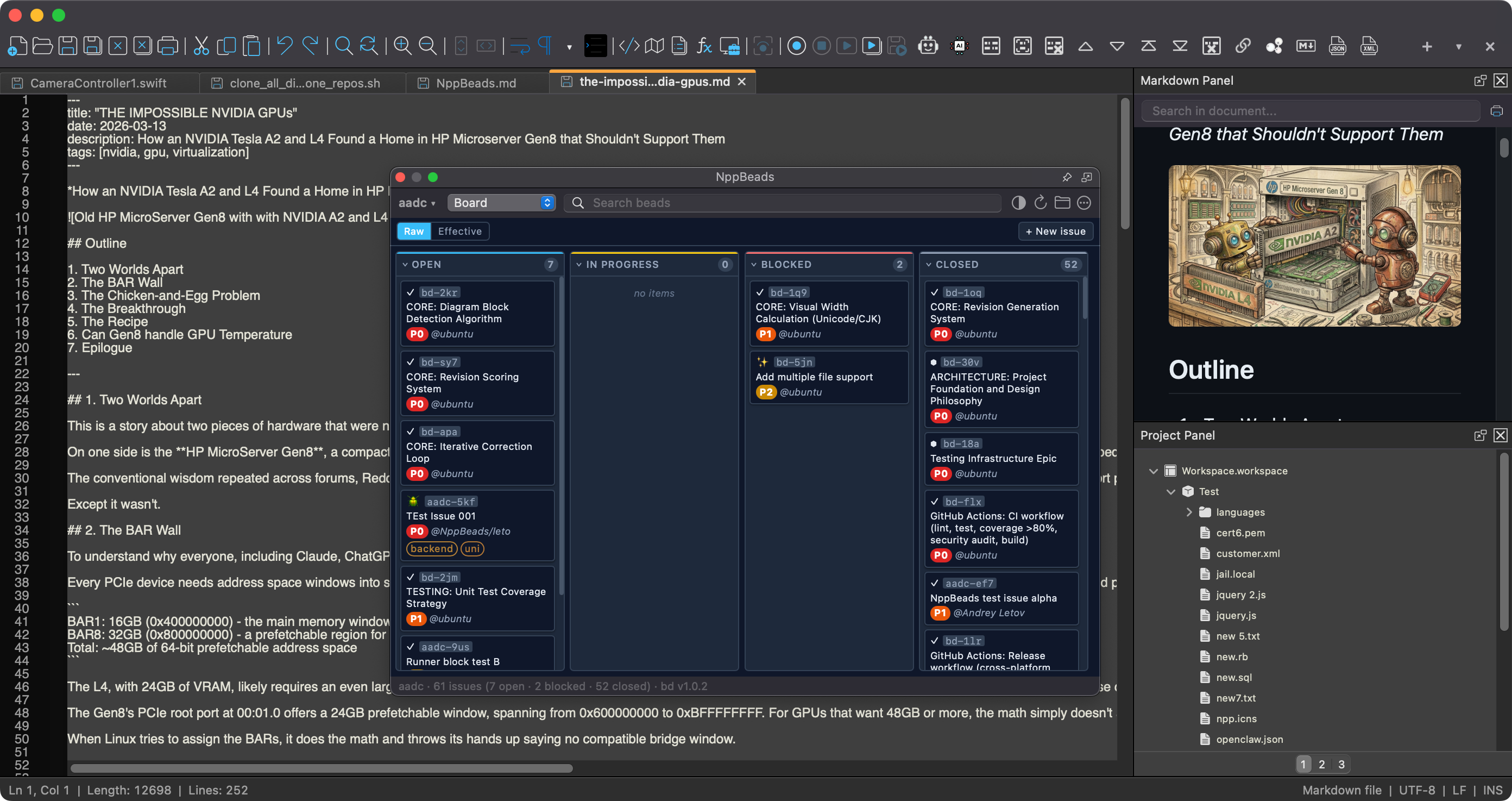
Nextpad++ has powerful features and built to feel right at home on macOS.
Support for 80+ programming languages with customizable color themes and user-defined languages. Switch Nextpad++ to the language you speak. It supports 137 languages out of the box.
Extend functionality with a rich plugin ecosystem. Customize your editor to match your workflow. More plugins are being migrated to macOS as we speak.
Built for M-series chips. Launches instantly, runs efficiently, and respects your battery life.
Powerful search with regular expressions, find in files, bookmark lines, and incremental search.
View and edit two documents side by side, or two parts of the same document simultaneously.
Record, save, and replay macros to automate repetitive editing tasks with ease.
Nextpad++ is a free, open-source source code editor that supports many programming languages and is great for general text editing. No Wine, Porting Kit, or emulation layer is needed — this is an independent native Notepad++ port governed by the GNU General Public License.
Based on the powerful editing component Scintilla, Nextpad++ for Mac is written in Objective C++ and uses pure platform-native APIs to ensure higher execution speed and a smaller program footprint. I hope you enjoy Nextpad++ on macOS as much as I enjoy bringing it to the Mac.
This project is an open-source and independent community port of Notepad++ to macOS, started on March 1, 2026. It is distributed as an Apple Developer ID-signed and Apple-notarized Universal Binary, runs natively on both Apple Silicon (M1–M5) and Intel Macs, and contains no telemetry, no advertising, and no data collection of any kind. The full source is available at github.com/nextpad-plus-plus/nextpad-plus-plus-macos. For the official Windows version of Notepad++, visit notepad-plus-plus.org.
Supports Wi-Fi and Ethernet adapters for scraping game art, retro achievements, and system updates. Prerequisites and Requirements
Project Eris uses standard folder structures to categorize and launch your games. Adding PlayStation 1 Games Connect your USB drive to your computer. Navigate to project_eris/games/ .
: It allows you to select specific "cores" (emulators) for different systems like NES, Sega CD, or SNES.
Boot up the console. It will now run Project Eris safely using back-port power, leaving both front ports open for multiplayer controllers. Step 5: Adding Games to Project Eris playstation classic project eris install
With your USB drive prepared, it is time to perform the software modification on the console.
A USB 2.0 drive is highly recommended for the initial installation. The PlayStation Classic’s front USB ports have strict power limits. USB 3.0 drives often draw too much power, causing the installation to fail or loop. A drive capacity of 4GB to 16GB is ideal for the setup phase.
For (SNES, NES, Genesis, etc.):
Navigate to the transfer folder located on the root of your drive.
This often happens if the kernel backup was interrupted. Try to re-flash using the recovery files provided by the Project Eris developers.
With Project Eris successfully installed, your PlayStation Classic is no longer tethered to a limited selection of twenty games. It is now a versatile retro command center capable of playing thousands of classics from the golden era of gaming. Take the time to tweak your emulator settings, curate your collection, and enjoy the definitive way to experience classic console gaming. If you want to customize your setup further, let me know: What do you want to emulate? Are you planning to use third-party controllers ? Supports Wi-Fi and Ethernet adapters for scraping game
If the automatic transfer tool misses box art, it means the game title did not perfectly match the internal database. Use the Project Eris Desktop App on your PC to manually search for and assign the correct image file. Controller Not Responding in RetroArch
Verify your drive layout. When you open your USB drive, you should immediately see folders like project_eris , roms , and several configuration files. There should not be a single master folder containing everything. Step 3: Performing the Initial Installation
This is perhaps the most common issue and is almost always related to power or the USB drive. Navigate to project_eris/games/