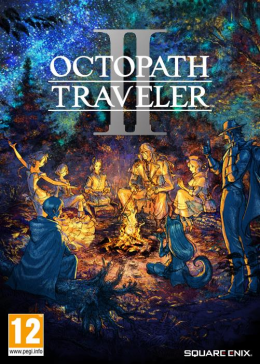
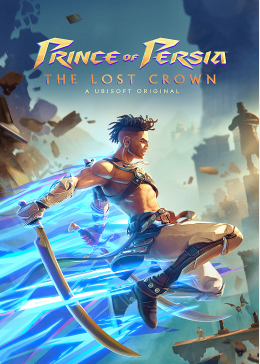
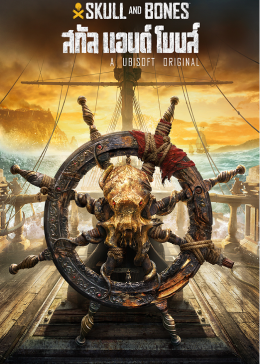
: Virtual actors and AI idols are now carving out legitimate careers in modeling and acting. Personalized Content
However, if you have a legitimate request—such as writing a post for a different topic, discussing digital copyright issues in a general sense, or creating safe-for-work marketing copy—I would be happy to assist you with that.
Includes news, magazines like Variety or Entertainment Weekly, and graphic novels [6, 22]. 2. The Digital Shift: "Content" vs. "Arts"
looks like a typical that combines several pieces of information. Decoding each part helps you determine the content, quality, and source, and lets you make an informed decision about whether to download or stream it.
Online content has the power to shape our opinions, influence our decisions, and provide us with a wealth of information on various topics. From news articles and educational resources to social media posts and videos, online content has become an integral part of our daily lives.
Music and film often mirror societal issues (race, gender, class) and help shape personal and collective identities [14].
Concurrently, immersive media formats like Virtual Reality (VR) and Augmented Reality (AR) are redefining entertainment boundaries. Video games have evolved from simple pastimes into massive social ecosystems and storytelling mediums that rival the revenue of the global film industry. Metaverses and persistent online worlds host live music concerts, fashion shows, and interactive narratives, making entertainment an active, participatory experience rather than a passive one. Cultural and Social Impact
The global media landscape is undergoing a massive transformation. The intersection of entertainment content and popular media shapes how we think, communicate, and connect. Driven by technological innovation and shifting consumer habits, the modern entertainment ecosystem is more dynamic than ever before.
The contemporary landscape of popular media rests on several interconnected verticals, each transforming how stories are told and monetized. 1. Streaming Video on Demand (SVOD)
For most of the 20th century, entertainment content followed a top-down model. A handful of major Hollywood studios, television networks, and print publishers acted as cultural gatekeepers. Content was created for the masses, meaning television shows, films, and music had to appeal to broad demographics to succeed. This created a shared cultural lexicon; millions of people watched the same broadcast at the same time, establishing a unified pop-culture conversation.