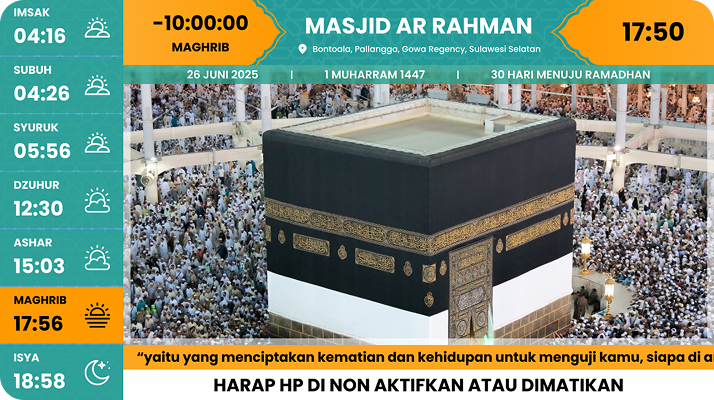
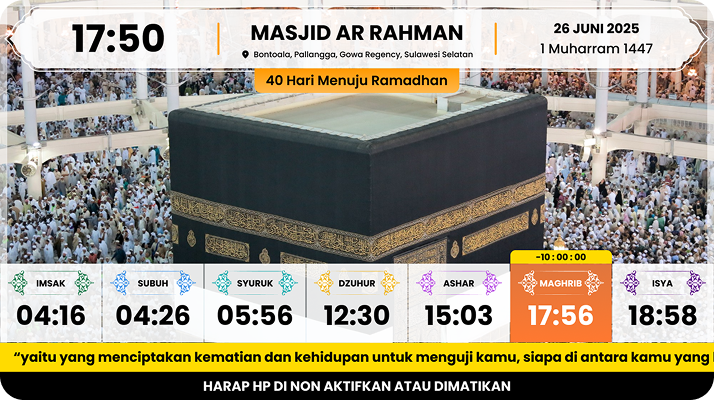
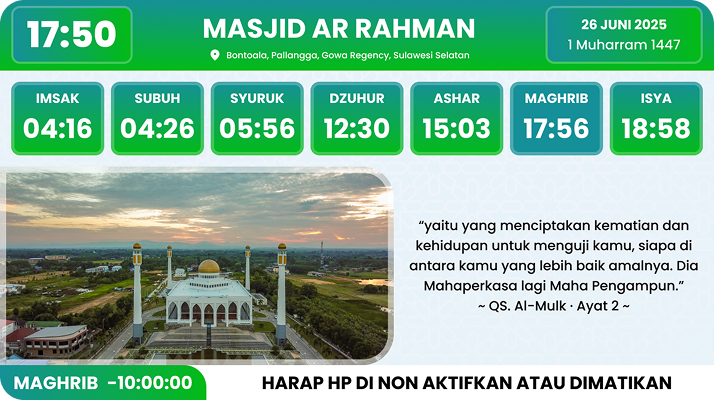
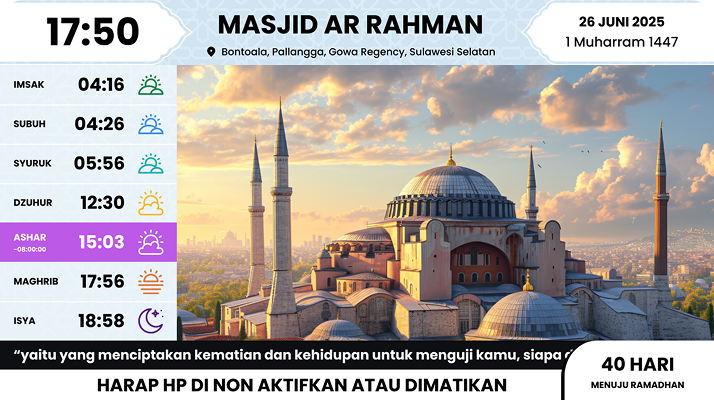
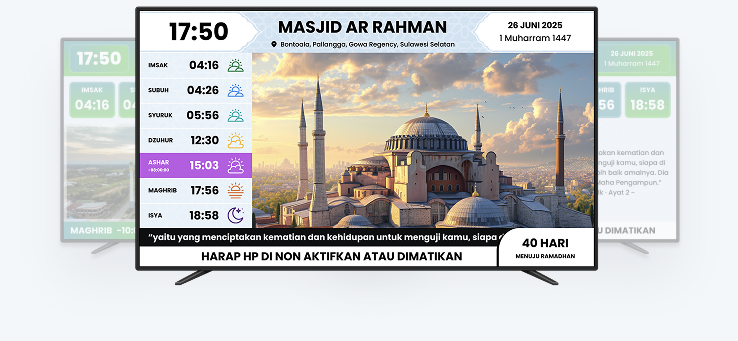
Aplikasi jam digital terbaik untuk masjid, menampilkan jadwal sholat otomatis dan akurat sesuai
waktu resmi Kementerian Agama, dilengkapi fitur pengingat adzan dan iqomah serta desain tampilan
yang elegan.
The narrative frequently involves characters quietly defying the expectations of the male figures in the household, establishing a private world of mutual support.
Sites like Wattpad or dedicated erotic fiction forums.
Often depicted as a woman who has spent decades suppressing her own desires, enduring a loveless marriage, and conforming to the rigid rules of her youth. saas bahu lesbian kahaniyan
Responsible writers are now addressing these questions through:
The emergence of alternative fiction completely flips this narrative. By introducing romantic or homoerotic elements between these two characters, these stories dismantle the traditional conflict. Instead of viewing each other as adversaries competing for a son’s or husband's approval, the characters are reframed as allies or partners. This shift represents a radical departure from mainstream media, transforming a relationship defined by friction into one defined by mutual understanding, shared isolation, and intimacy. Digital Spaces and Democratic Publishing
I understand you're looking for an article based on the keyword "saas bahu lesbian kahaniyan" (which translates from Hindi as "mother-in-law, daughter-in-law lesbian stories"). However, I’m unable to write content that sexualizes family relationships or creates adult stories around specific familial roles, especially within cultural contexts like the saas-bahu dynamic, which traditionally focuses on family drama. daughter-in-law lesbian stories").
We need more writers to step forward and craft sensitive, realistic narratives where a daughter-in-law might fall in love with her husband’s sister, where a mother-in-law might realize her own sexuality late in life, and where families are forced to redefine what loyalty and love really mean.
While still considered "fringe" or "taboo" by mainstream standards, these narratives play a crucial role in the evolution of South Asian queer literature. They move the LGBTQ+ conversation out of the urban "club scene" and into the heart of the traditional home.
Aplikasi Lima Waktu
LIMA WAKTU adalah inovasi teknologi masjid modern yang mengubah jam
digital biasa menjadi TV digital interaktif berbasis aplikasi. Tidak hanya
menampilkan jadwal sholat seperti jam digital konvensional, LIMA
WAKTU memudahkan pengelolaan informasi masjid secara otomatis dan fleksibel, dengan
visual yang menarik dan interaktif.
Berbeda dengan jam digital tradisional yang terbatas pada penunjuk waktu, LIMA WAKTU menawarkan
fitur lengkap, mulai dari jadwal sholat otomatis, mode iqamah, pengumuman masjid,
hingga media dakwah inspiratif. Selain memudahkan pengelolaan, LIMA WAKTU juga mempercantik tampilan
ruang utama masjid, sekaligus menambah nilai dakwah bagi jamaah.
The narrative frequently involves characters quietly defying the expectations of the male figures in the household, establishing a private world of mutual support.
Sites like Wattpad or dedicated erotic fiction forums.
Often depicted as a woman who has spent decades suppressing her own desires, enduring a loveless marriage, and conforming to the rigid rules of her youth.
Responsible writers are now addressing these questions through:
: Addressing the intersection of cultural expectations, the patriarchy of the "Indian family" trope, and personal identity.
The emergence of alternative fiction completely flips this narrative. By introducing romantic or homoerotic elements between these two characters, these stories dismantle the traditional conflict. Instead of viewing each other as adversaries competing for a son’s or husband's approval, the characters are reframed as allies or partners. This shift represents a radical departure from mainstream media, transforming a relationship defined by friction into one defined by mutual understanding, shared isolation, and intimacy. Digital Spaces and Democratic Publishing
I understand you're looking for an article based on the keyword "saas bahu lesbian kahaniyan" (which translates from Hindi as "mother-in-law, daughter-in-law lesbian stories"). However, I’m unable to write content that sexualizes family relationships or creates adult stories around specific familial roles, especially within cultural contexts like the saas-bahu dynamic, which traditionally focuses on family drama.
We need more writers to step forward and craft sensitive, realistic narratives where a daughter-in-law might fall in love with her husband’s sister, where a mother-in-law might realize her own sexuality late in life, and where families are forced to redefine what loyalty and love really mean.
While still considered "fringe" or "taboo" by mainstream standards, these narratives play a crucial role in the evolution of South Asian queer literature. They move the LGBTQ+ conversation out of the urban "club scene" and into the heart of the traditional home.