


The relationship between the transgender community and LGBTQ+ culture is dynamic and ever-evolving. True solidarity within the culture means recognizing that liberation cannot be achieved for some without achieving it for all.

While the historical and cultural bonds between the trans community and the wider LGBTQ+ acronym are deep, the relationship has also experienced significant internal political friction.

LGBTQ+ culture is not a monolith. It is a coalition of distinct identity groups bound by shared oppression and a shared goal of liberation. The transgender community brings specific cultural elements to this coalition that have fundamentally altered queer aesthetics and politics.

I should start by acknowledging the common but reductive umbrella term issue. Then, establish the distinction: LGBTQ as a political coalition, and trans as a specific identity axis. The article needs historical grounding—mentioning Compton's Cafeteria and Marsha P. Johnson's role, but also noting the tensions like the trans exclusion from early gay rights frameworks (e.g., the Briggs Amendment). Moving to contemporary issues: visibility, legal battles (sports, healthcare, bathroom bills), and intersectionality (e.g., trans people of color like the Black Lives Matter connection). The final sections should celebrate resilience and cultural contributions (artists, musicians, ballroom culture) to avoid a purely problem-focused narrative. End with solidarity and a call for action within the LGBTQ community.

Before Stonewall, trans individuals led uprisings against police harassment at the 1959 Cooper Do-nuts Riot in Los Angeles and the 1966 Compton’s Cafeteria Riot in San Francisco. Pioneering Support: Sylvia Rivera Marsha P. Johnson

"Realness" is a specifically trans concept—the ability to walk through the world passing as a cisgender person in a specific category (business executive, school girl, military). What began as a survival mechanism for trans women excluded from gay bars evolved into a global fashion and dance phenomenon.

LGBTQ+ culture is not a monolith; it is a coalition. The transgender community remains its heartbeat, reminding the world that the ultimate goal of the movement is the freedom to define oneself on one’s own terms.

Despite a surge in anti-trans legislation, national surveys in early 2026 show that 85% of Americans support equal rights and 41% now personally know someone who is transgender. This story captures the "human bridge" between those statistics and the lived reality of queer joy. Other Feature Ideas to Consider:

Despite a shared history, the relationship between the transgender community and the LGB portions of the culture has experienced periodic friction.

Today, the transgender community is arguably the primary frontline of the broader culture war. Laws targeting trans youth (bans on gender-affirming care, sports participation, and drag performances) are testing the resilience of LGBTQ+ culture as a whole.

: High-end sellers often invest in professional product photography and infographics to demonstrate the fine details of the fabric weave and stitching.

This linguistic innovation serves a purpose: it names previously invisible forms of violence and joy. "Deadnaming" is not just a mistake; it is a form of erasure. "Gender euphoria" is the antonym of dysphoria—the joy of being seen correctly. By creating this vocabulary, the trans community has taught the broader LGBTQ+ culture that liberation begins with the act of precise, respectful naming.

Shemale Nylon Gallery Extra Quality Link Jun 2026

The relationship between the transgender community and LGBTQ+ culture is dynamic and ever-evolving. True solidarity within the culture means recognizing that liberation cannot be achieved for some without achieving it for all.

While the historical and cultural bonds between the trans community and the wider LGBTQ+ acronym are deep, the relationship has also experienced significant internal political friction.

LGBTQ+ culture is not a monolith. It is a coalition of distinct identity groups bound by shared oppression and a shared goal of liberation. The transgender community brings specific cultural elements to this coalition that have fundamentally altered queer aesthetics and politics.

I should start by acknowledging the common but reductive umbrella term issue. Then, establish the distinction: LGBTQ as a political coalition, and trans as a specific identity axis. The article needs historical grounding—mentioning Compton's Cafeteria and Marsha P. Johnson's role, but also noting the tensions like the trans exclusion from early gay rights frameworks (e.g., the Briggs Amendment). Moving to contemporary issues: visibility, legal battles (sports, healthcare, bathroom bills), and intersectionality (e.g., trans people of color like the Black Lives Matter connection). The final sections should celebrate resilience and cultural contributions (artists, musicians, ballroom culture) to avoid a purely problem-focused narrative. End with solidarity and a call for action within the LGBTQ community. shemale nylon gallery extra quality

Before Stonewall, trans individuals led uprisings against police harassment at the 1959 Cooper Do-nuts Riot in Los Angeles and the 1966 Compton’s Cafeteria Riot in San Francisco. Pioneering Support: Sylvia Rivera Marsha P. Johnson

"Realness" is a specifically trans concept—the ability to walk through the world passing as a cisgender person in a specific category (business executive, school girl, military). What began as a survival mechanism for trans women excluded from gay bars evolved into a global fashion and dance phenomenon.

LGBTQ+ culture is not a monolith; it is a coalition. The transgender community remains its heartbeat, reminding the world that the ultimate goal of the movement is the freedom to define oneself on one’s own terms. LGBTQ+ culture is not a monolith

Despite a surge in anti-trans legislation, national surveys in early 2026 show that 85% of Americans support equal rights and 41% now personally know someone who is transgender. This story captures the "human bridge" between those statistics and the lived reality of queer joy. Other Feature Ideas to Consider:

Despite a shared history, the relationship between the transgender community and the LGB portions of the culture has experienced periodic friction.

Today, the transgender community is arguably the primary frontline of the broader culture war. Laws targeting trans youth (bans on gender-affirming care, sports participation, and drag performances) are testing the resilience of LGBTQ+ culture as a whole. I should start by acknowledging the common but

: High-end sellers often invest in professional product photography and infographics to demonstrate the fine details of the fabric weave and stitching.

This linguistic innovation serves a purpose: it names previously invisible forms of violence and joy. "Deadnaming" is not just a mistake; it is a form of erasure. "Gender euphoria" is the antonym of dysphoria—the joy of being seen correctly. By creating this vocabulary, the trans community has taught the broader LGBTQ+ culture that liberation begins with the act of precise, respectful naming.

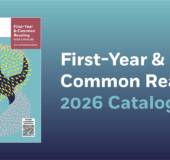
2026 Catalog for First-Year & Common Reading

We are delighted to present our new First-Year & Common Reading Catalog for 2026! From award-winning fiction, poetry, memoir, and biography to new books about the environment, current events, history, public health, science, social justice, student success, and technology, the titles presented in our common reading catalog will have students not only eagerly flipping through

Read more